Art Therapist | Artist | Lived Experience Consultant & Supervisor

Current offerings…
Pencil Dust Podcast
A collaboration between Art Therapist Lucy Hotchin and Artist/Animator Sophie McPike.
A multi-year endeavour, the podcast explores all things related to creativity, growing up, being weird and finding a place to “be” or “feel comfortable”.
About…
Lucy spends her time working with multiple communities in Melbourne, Victoria. She is an Art Therapist, Peer Worker and Supervisor at Rainbow Muse Collective, a collective based in Ferntree Gully and Warburton that offers art therapy, child-centred play therapy and animal assisted therapy with an ongoing focus and commitment to decolonizing therapy practices and wellness spaces.
Lucy is a neurodivergent artist and art therapist whose practice is deeply informed by her lived experience navigating the mental health system and a profound belief in the transformative power of creative expression and community connection. As a white practitioner who acknowledges the privileges this identity carries, she bring a critical lens to how colonisation and late-stage capitalism have shaped our current mental health frameworks, often to the detriment of genuine healing and wellbeing.
Her journey through institutional healthcare settings sparked a commitment to reimagining how mental health support can be delivered with greater humanity and understanding. After discovering the healing potential of art therapy firsthand, she completed a Master's degree in Creative Arts Therapy and now works successfully with clients using arts-based therapeutic approaches. Her practice is grounded in fostering supportive therapeutic relationships and creating spaces where creativity and authentic connection can flourish.
An accomplished visual artist working primarily in drawing, painting, and fibre arts, Lucy's artistic practice explores themes of reflection, resilience, and transformation. Her embroidery work has been particularly noted, though her creative practice continues to evolve alongside her therapeutic work.
Having experienced firsthand the inaccessibility of traditional academic systems, which have historically privileged certain ways of thinking and expressing knowledge while excluding others through sexist, racist and ableist structures, Lucy is committed to arts-based research methodologies that honour diverse ways of knowing and communicating. Her personal experience with the limitations and exclusionary nature of conventional academic language has strengthened her dedication to expanding how knowledge can be created and shared through artistic practice.
Lucy is currently developing research interests around systemic reform in mental health care, accessibility in therapeutic settings, and the role of creativity and community in healing. Her perspective on necessary changes within institutional frameworks is informed by both her professional experience and her understanding of how systemic forces and social structures impact mental health. She advocate’s for approaches that centre human connection, creativity, and community support as essential elements of wellbeing.
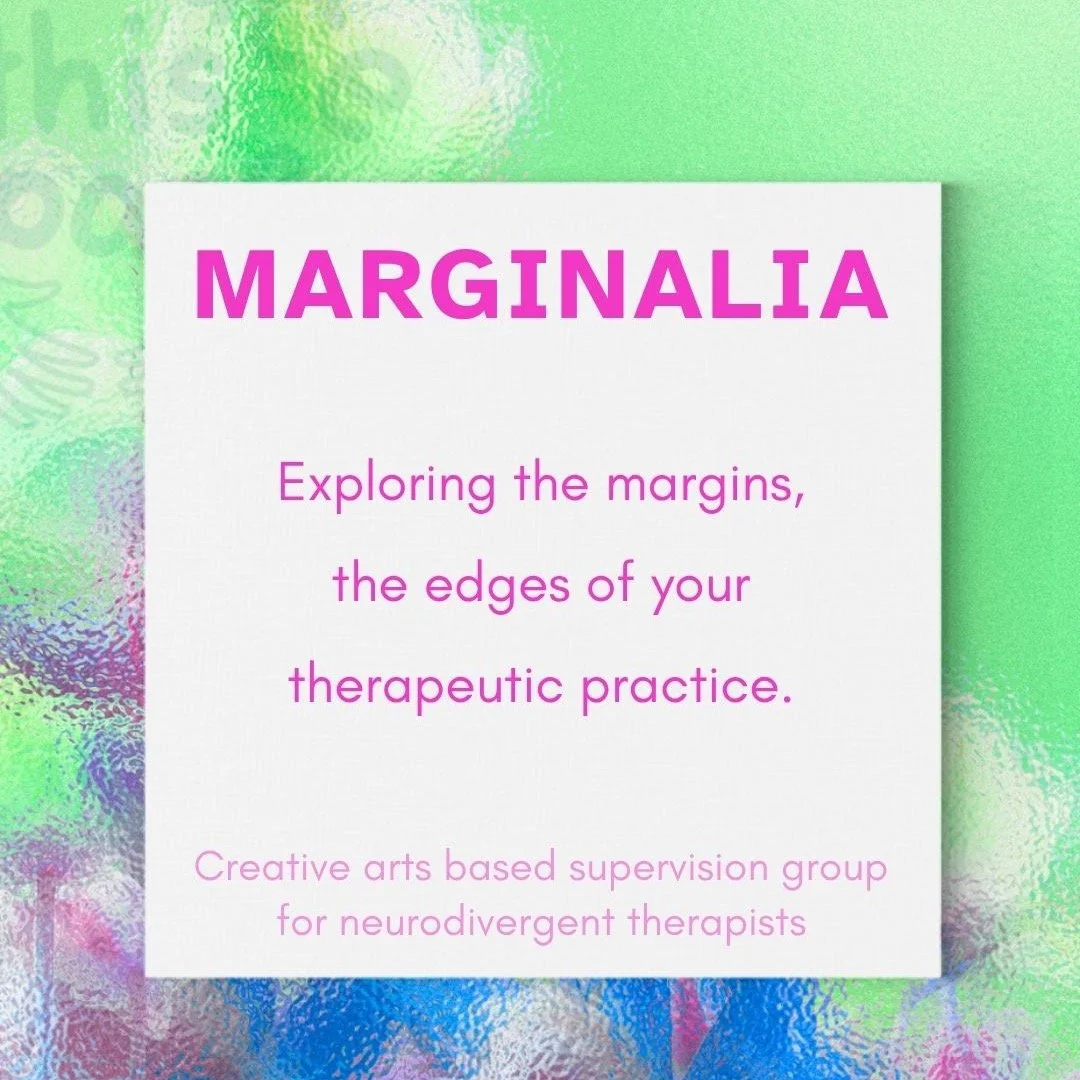
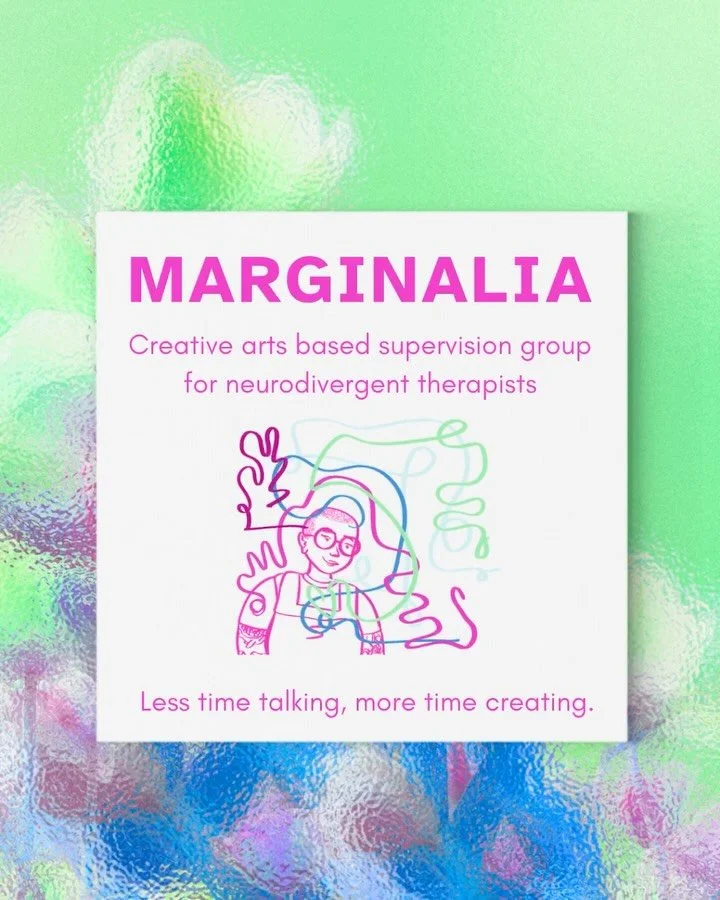
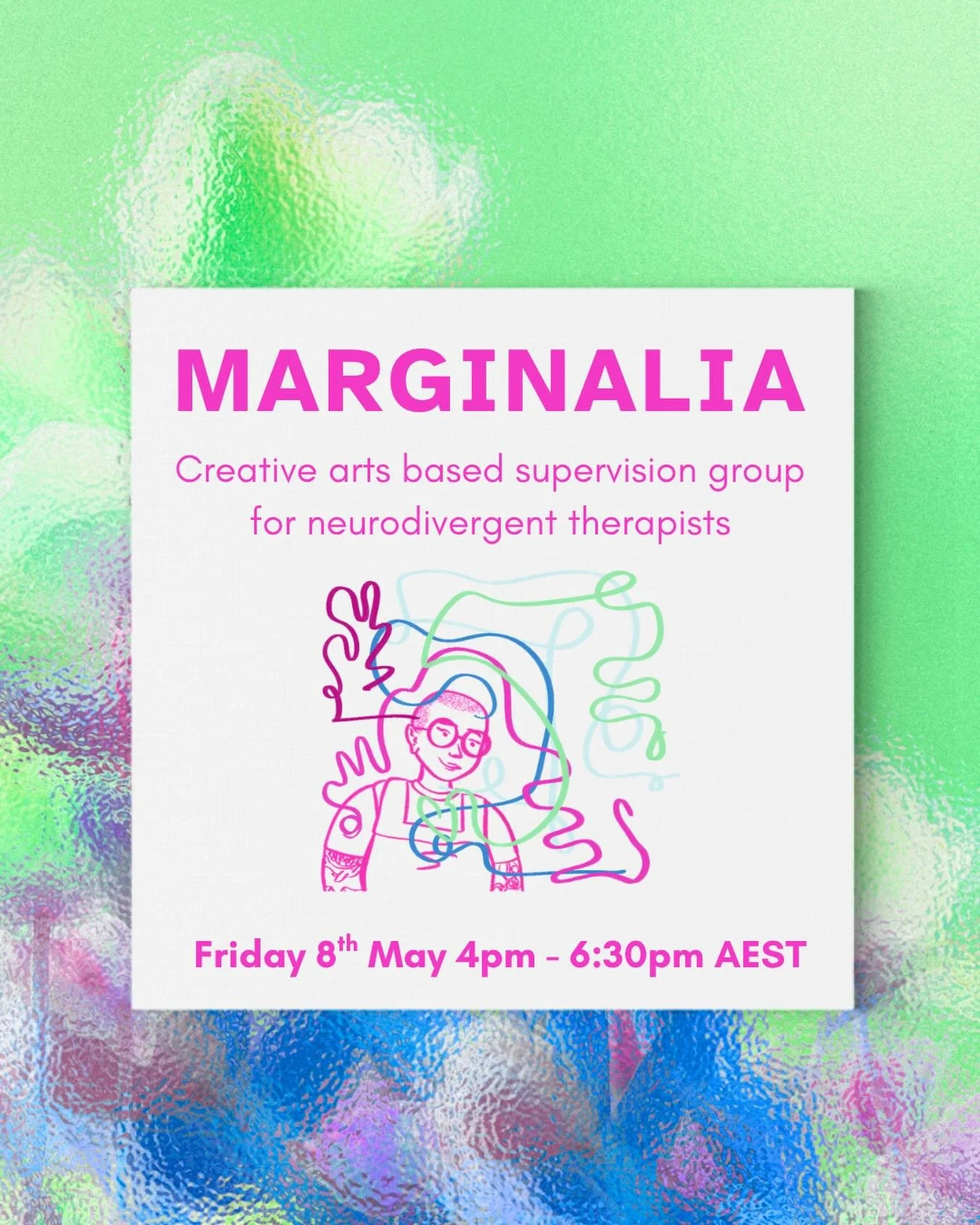
Arts based Supervision:
Lucy provides supervision for therapists, counsellors and humans who work in wellbeing.
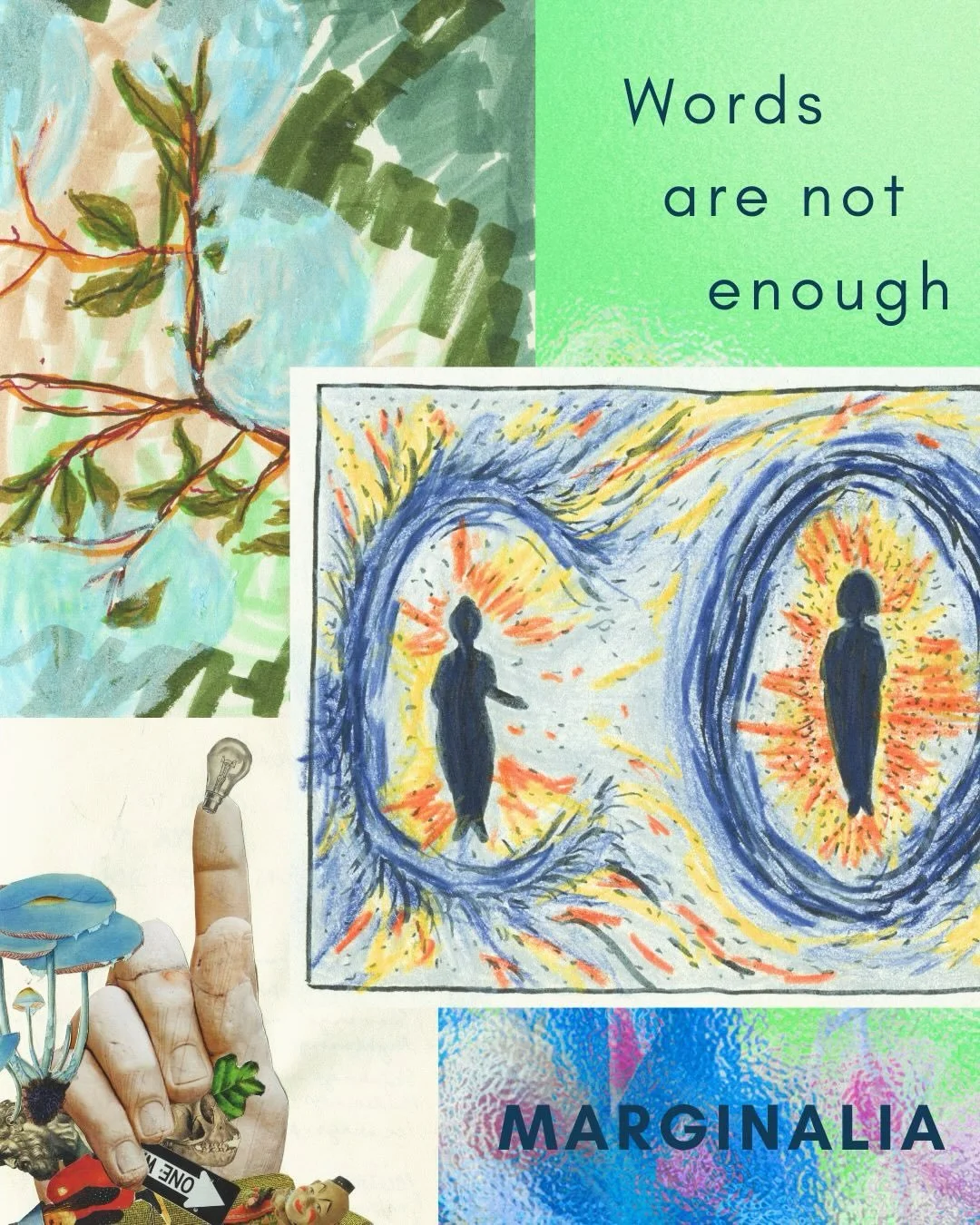
Lucy primarily focuses on therapists who live with disabilities and neurodivergences that affect their capacity to work. Lucy uses creativity and responsive reflexive practices which offer a collaborative approach that don’t just centre words/verbal communication.
Lucy also engages in understanding the contexts of our work as affected by colonialism and capitalism which have lead to systemic issues that are often not discussed, or assumed to be “normal”. Using these lenses allows for informed scaffolding and choices regarding how someone might practice, and can alleviate the cognitive dissonance that arises in workplaces and the therapeutic space.
If you’re interested in pursuing supervision with Lucy, you can contact her through this form which includes questions about contact information, your speciality and availability.
Bodies In Ink #1 and #2, shown in Hanky Code.
Curated by The Artist Known as Foot at Artemisia Gallery


“This work shares the slow and gentle process of loving your queer body and learning to see if for the first time. A forever-reflection on being a human, on being on the asexuality spectrum, on being IN your body for the first time in a long time.”
This archival quality glicèe print features Body In Ink 1, a piece created using inks and prismacolor pencils, the original is currently a part of Hanky Code exhibition at Artemisia Gallery.
Pre-orders will be open for two weeks, followed by a two-week production period before shipping. Shipping will be calculated at check out. All sales are final with no cancellations or refunds once the pre-order period closes.
Colours will vary slightly from screen display. All prints will be carefully packaged with love! You’ll receive a confirmation email of your purchase and I’ll be in touch with updates and when the prints are ready to ship!

“This work shares the slow and gentle process of loving your queer body and learning to see if for the first time. A forever-reflection on being a human, on being on the asexuality spectrum, on being IN your body for the first time in a long time.”
This archival quality glicèe print features Body In Ink #2, a piece created using inks and prismacolor pencils, the original is currently a part of Hanky Code exhibition at Artemisia Gallery.
Pre-orders will be open for two weeks, followed by a two-week production period before shipping. Shipping will be calculated at check out. All sales are final with no cancellations or refunds once the pre-order period closes.
Colours will vary slightly from screen display. All prints will be carefully packaged with love! You’ll receive a confirmation email of your purchase and I’ll be in touch with updates and when the prints are ready to ship!
Creative reflection in process…
A visual representation of 31 days of travel in 2024 through London, Ireland, and Scotland, accompanied by my close friend, Sophie McPike. Each day is encapsulated in a moment, depicting a specific theme, experience, or observation from that day's journey.
The collection of works present a patchwork of my experiences, juxtaposing images with words that attempt to articulate the emotional subtleties embedded within the physical journey.
The images and text are patch-worked together, one after the other, then folded and bound into an accordion book. This design allows the experience to unfold linearly along metres of space, or to be explored in segments, providing viewers the opportunity to engage with the artwork.